
Santol Edge Team
AI Research & Engineering at Santol Edge
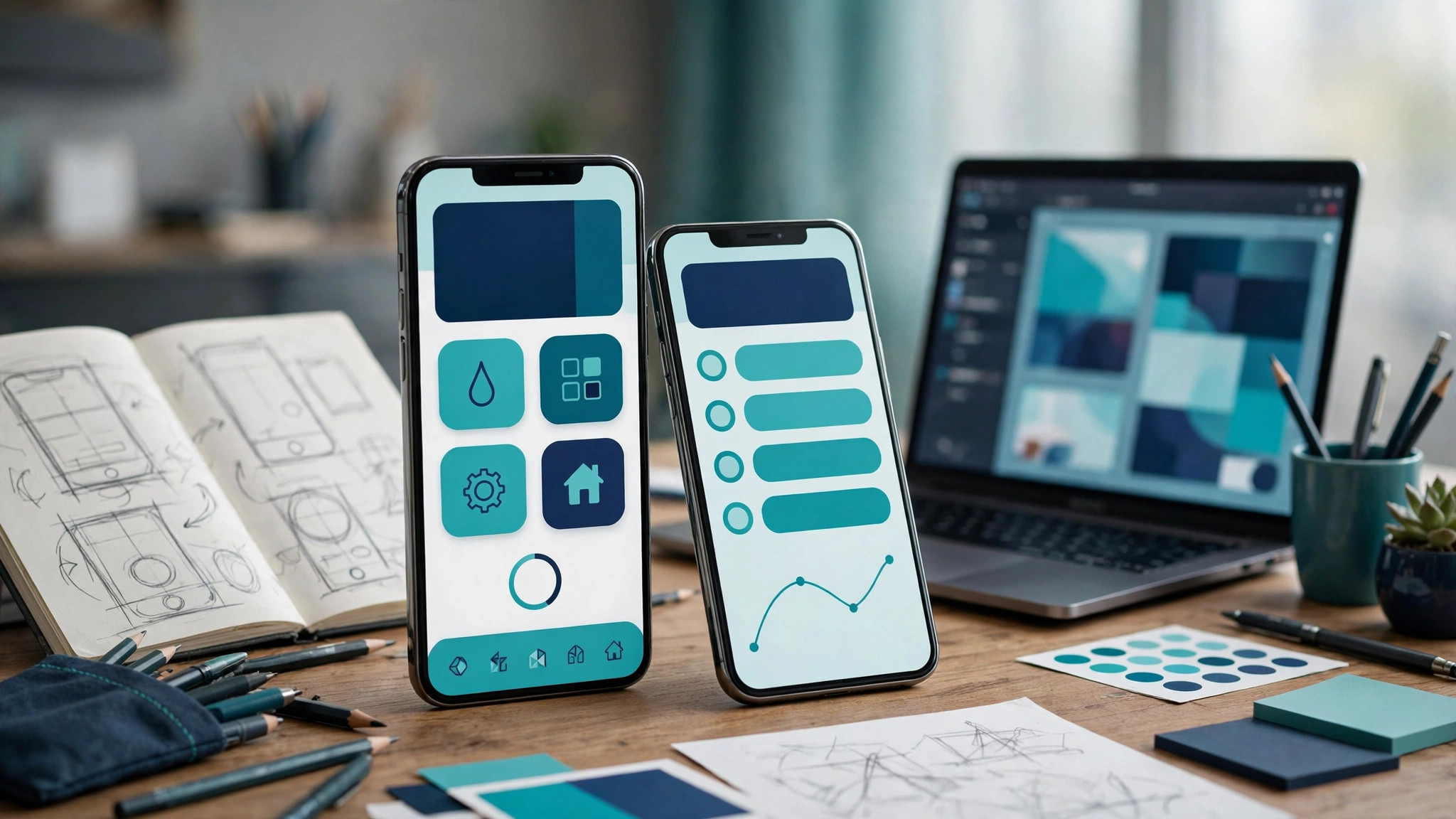

“Mobile App for Salons and Spas: An Honest Decision Guide”
Mobile App for Salons and Spas: An Honest Decision Guide
Most independent hair salons, day spas, and nail bars do not need a custom mobile app. If your doors just opened or your client list is still growing, spending thousands of dollars on a dedicated app is a fast way to drain your working capital. However, for established salons with high rebooking rates and a steady flow of returning clientele, a custom mobile app for salons can streamline operations, drastically cut no-shows, and build unbreakable brand loyalty. This guide cuts through the tech industry hype to give you a clear, practical look at when an app makes financial sense, which build paths are available, and how to avoid wasting money on features your clients will never use.
The Honest Decision Framework: When a Salon App Pays Off vs. When It's a Waste of Money
Before you speak with an agency or download software, you need to brutally evaluate your business model. Technology does not fix a broken client retention rate; it only accelerates what is already working.
When a Salon App Pays Off
Investing in a dedicated app makes financial sense if your business meets specific operational thresholds:
High Rebooking Rates: If more than half of your clients regularly rebook before leaving your chair, an app makes that habit frictionless.
Established Clientele: You have a full appointment book and a loyal base of regulars who visit your salon every four to six weeks.
Multiple Locations or Large Teams: You operate across multiple sites or manage a busy floor of twelve or more stylists and therapists, making basic scheduling tools hard to coordinate.
Strong Retail Sales: A significant portion of your revenue comes from home-care products, skin care lines, or hair treatments that clients frequently need to reorder.
When It Is a Waste of Money
Avoid building a custom app if your business falls into these categories:
Brand-New Salon: If you are still trying to fill your schedule for the first time, your marketing budget belongs in local SEO, social media, and community outreach—not app development.
Low Digital Engagement: If your clientele predominantly books via phone calls and refuses to use online booking links, they will not download an app.
Tight Operating Margins: If a surprise equipment repair or slow month causes cash flow stress, the ongoing costs of app maintenance will become a burden.
The 6 Jobs a Salon App Does
When a mobile app for salons is built right, it performs specific automated tasks that save your front desk team hours of manual work every week.
24/7 Booking with Stylist Selection
Clients lead busy lives and often book their appointments late at night or early in the morning when your front desk is closed. A dedicated salon booking app lets clients browse available time slots, select their preferred service provider, and secure their spot instantly without playing phone tag.
Push-Notification Rebooking Nudges
Traditional email newsletters often get lost in crowded inboxes. Push notifications land directly on your client's phone screen. A gentle notification sent at week five reminding a client that it is time for a root touch-up or a seasonal facial vastly outperforms standard email reminders.
Loyalty and Rewards
A digital salon loyalty app replaces bulky paper punch cards that clients always forget to bring. Clients can track their points, unlock milestone discounts, or earn a free conditioning treatment directly inside the app, which incentivizes them to stick with your salon instead of trying a local competitor.
Appointment Reminders That Cut No-Shows
No-shows are profit killers for appointment-based businesses. Automated push notifications and SMS reminders sent 24 hours and two hours before an appointment dramatically reduce empty chairs, keeping your daily revenue predictable.
Mobile Payments and Deposits
Eliminate checkout bottlenecks at your front desk. By integrating secure mobile payments and holding credit card information on file for cancellation policies, you protect your staff's time and drastically reduce friction at the end of every service.
Referral Program
Word-of-mouth marketing is the lifeblood of any successful spa. An integrated referral tab allows your happiest clients to share a custom discount link with friends via text message, tracking the reward automatically when the new client completes their first appointment.
The 3 Build Paths: Honest Cost and Control Trade-Offs
If you decide that your business is ready for digital expansion, you have three distinct paths to choose from. Each option offers a different balance of upfront cost, monthly overhead, and brand control.
Booking-Platform Apps
Using the client-facing apps provided by established industry platforms like Vagaro, GlossGenius, Fresha, or Square Appointments is the easiest and cheapest route.
The Pros: Low or zero setup costs, instant deployment, built-in payment processing, and existing infrastructure.
The Cons: Your clients download an app branded with someone else's logo. You sit alongside dozens of other local competitors on the same platform, making it easy for clients to browse and book other providers.
White-Label Salon Apps
White-label solutions take your branding and apply it to a pre-built app shell managed by a third-party software provider.
The Pros: You get your own icon on the App Store and Google Play featuring your salon logo, colors, and name, without paying for custom software engineering from scratch.
The Cons: You are locked into the software provider's ecosystem and feature roadmap. If you want custom functionality outside of their standard template, you may hit a brick wall.
Custom Cross-Platform Apps
Building a bespoke app using modern frameworks like React Native (you can read more about technical trade-offs in our guide on Flutter vs React Native 2026) gives you complete ownership over the user experience, design, and data integrations.
The Pros: Complete brand ownership, custom features tailored to your exact workflow, and total flexibility as your business grows.
The Cons: Higher upfront investment and ongoing responsibility for software updates, bug fixes, and maintenance.
App Store Approval and Maintenance Realities
Many small business owners assume that once an app is launched, the work is finished. In reality, launching a custom app is like opening a second physical location—it requires ongoing management.
Apple and Google frequently update their operating systems, security protocols, and interface guidelines. This means your app will require periodic code updates to stay compatible with new phones. Furthermore, maintaining a developer account with Apple and Google involves annual fees. When budgeting for a custom application, you must factor in yearly maintenance costs alongside your initial investment. For a detailed breakdown of how engineering expenses scale, review our overview on Mobile app development cost guide.
A 4-Step Adoption Playbook
Building a great spa mobile app or salon application means nothing if nobody downloads it. Follow this simple rollout playbook to drive adoption among your existing clientele.
In-Chair Invites: Train your stylists and therapists to mention the app naturally during the checkout process. Have them say: "Next time, you can book your touch-up in two clicks using our new app."
QR Codes at the Station: Place minimalist tent cards or mirror clings with a clean QR code at every styling station and waiting room table so clients can scan and download the app while sitting in your chair.
Staff Champions: Incentivize your front desk staff and service providers to encourage downloads by running a friendly internal contest for who can register the most active users in a month.
Launch with ONE Flagship Feature: Do not overwhelm clients with a massive feature set on day one. Launch with easy booking and a sign-up incentive—such as ten dollars off their next service—to get the app onto their home screens.
Cost Reality
Custom software development requires a realistic budget. Mobile App Development from $3,500, depending on the complexity of your booking integrations, user accounts, and payment gateways. We provide a transparent, fixed quote after a free consultation so you never face surprise bills or hidden development fees. Booking-platform apps remain the cheapest option if you are just starting out, while custom solutions deliver unmatched long-term brand equity for established multi-chair salons and busy day spas.
Honest Mistakes Salons Make with Apps
Building Before Having Repeat Clients: Trying to use an app to solve a customer acquisition problem instead of a retention problem.
Stuffing Too Many Features: Adding games, forums, and complex multi-tier rewards programs that confuse users instead of simplifying booking.
Never Promoting the App In-Store: Uploading the app to the app stores and expecting organic downloads without training staff or displaying QR codes in the salon.
Frequently Asked Questions
Do I need a separate app for Apple and Android devices?
When you build a modern cross-platform app, developers write a single codebase that compiles for both iOS and Android simultaneously. This saves you from paying for two entirely separate development projects while ensuring your salon booking app is available to all of your clients regardless of their phone brand.
How long does it take to build a custom salon app?
A standard white-label solution can be configured in a few weeks, while a custom cross-platform mobile application typically takes anywhere from six to twelve weeks from initial consultation to final app store approval. The exact timeline depends on whether you require complex point-of-sale integrations or custom loyalty structures.
Will clients actually download a salon app?
Clients will download an app if it makes their lives noticeably easier—such as letting them book a midnight appointment without waiting for the salon to open. Adoption succeeds when your staff actively promotes the app to regular clients during their normal checkout conversation.
Can a salon app integrate with my existing booking software?
Yes, depending on the software you currently use. Many established booking platforms offer application programming interfaces (APIs) that allow developers to sync client records, schedules, and inventory data directly into a custom application shell.
What is the ongoing cost after the app is launched?
Ongoing costs typically cover annual developer account fees charged by Apple and Google, server hosting for your database, and a small maintenance retainer for security patches and operating system compatibility updates. You can explore our insights on AI chatbot development services if you are also considering automated client support agents.
Get a Free Consultation
If you are ready to evaluate whether a custom mobile app makes financial sense for your salon or spa, let's talk through your current booking volume, software stack, and growth goals. We provide a clear assessment and a fixed quote with no high-pressure sales pitches. See our mobile app development services for details, then Contact us to schedule your free consultation today.
Santol Edge Team
AuthorWrites extensively about generative AI, autonomous agent design, enterprise automation architectures, and customer experience engineering at Santol Edge.
Read Next

How AI Automation Helps Modern Businesses Scale 10x Faster
Discover how forward-thinking companies are deploying intelligent agents and automated pipelines to reduce overhead and boost revenue.

How AI Chatbots Transform Customer Support and Business Growth
Learn how AI chatbots improve customer response times, qualify leads, support teams, and create more consistent customer experiences.

AI Voice Agents: What They Are and How They Work
Understand where voice agents add value, how they connect with business systems, and what to consider before launching one.
Community Comments (0)
Oct 18, 2026Elisa Gabriella
VP of Operations · BrightSync
“A genuinely useful piece — the point about consolidating thin pages matches what we saw on our own platform last year. Deploying automated workflows cut roughly half our manual ticket volume and resolution speed went up significantly.”
Leave a Reply
Your email address will not be published. Required fields are marked *