
Santol Edge Team
AI Research & Engineering at Santol Edge
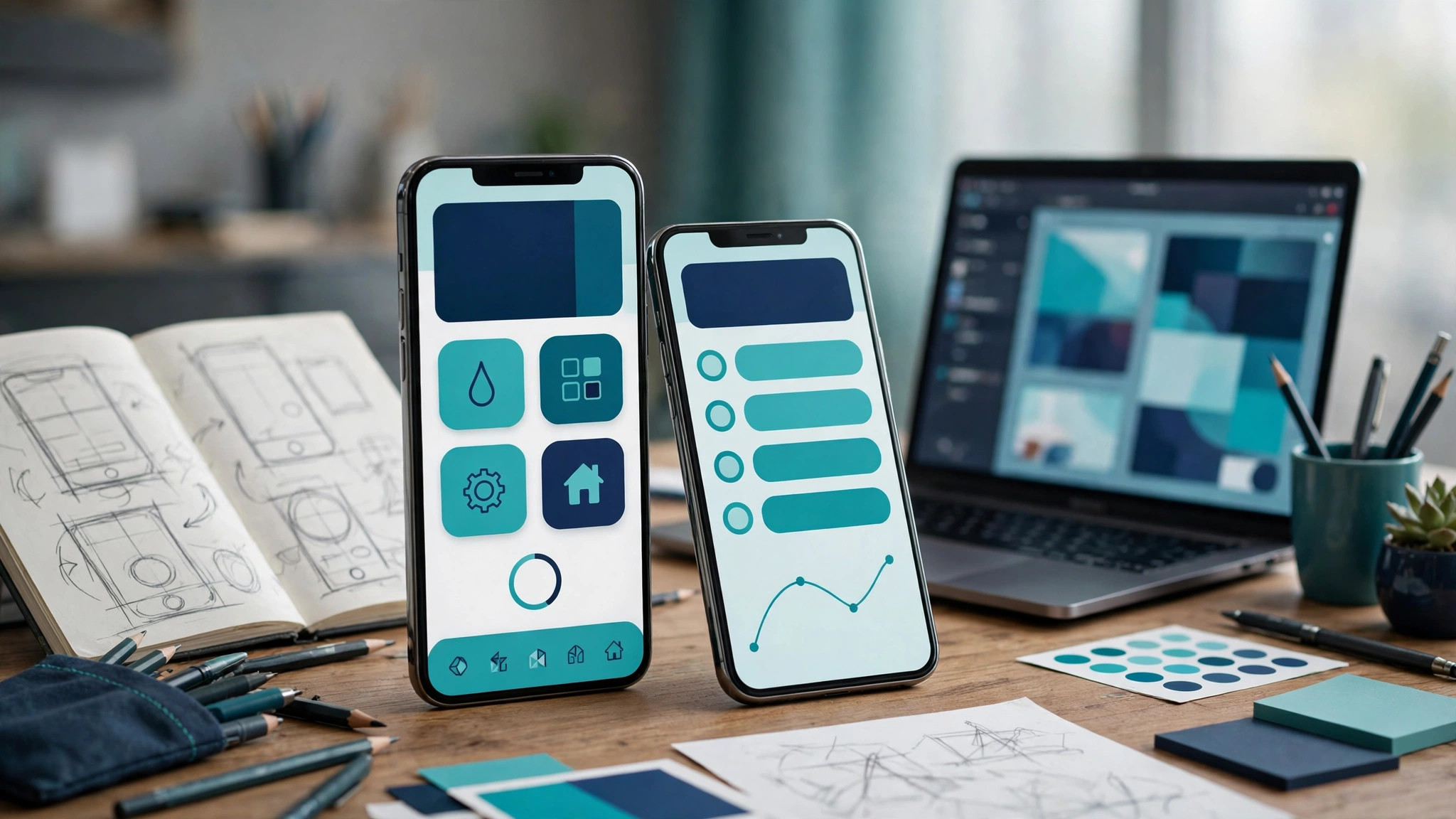

“Mobile App for Coffee Shops: Should Your Cafe Have a Dedicated App?”
Mobile App for Coffee Shops: Should Your Café Have a Dedicated App?
Walking into a bustling local coffee shop during the 8:00 AM morning rush reveals a familiar scene: a line snaking out the door, baristas furiously pulling espresso shots, and customers glancing nervously at their watches. For café owners watching this daily bottleneck, the temptation to launch a custom mobile app is high. After all, if major national chains run thriving digital ecosystems, shouldn't every independent neighborhood café do the same?
As an independent digital engineering agency, our answer might surprise you: many single-location coffee shops do not need a custom mobile app at all. While software development vendors often push expensive apps on every business with an espresso machine, building a dedicated application only makes financial sense under specific operational conditions.
This honest decision guide cuts through the sales hype to help café owners evaluate whether a mobile app for coffee shops is a smart growth investment or an expensive distraction — covering when an app pays off, six essential app jobs, three development paths, and why a mobile-first website starting from $1,200 USD might be your best alternative.
When a Café App Pays Off vs. When It's a Waste of Money
Before spending serious money on app store deployment and maintenance, you must honestly assess your café's business model, customer frequency, and operational volume.
When an App Makes Financial Sense
- Multi-location operations: if you operate several busy locations across a city, customers benefit from a centralized menu, location picker, and unified rewards account.
- Extreme daily repeat volume: if a high share of your patrons visit several times a week for their morning ritual, reducing friction at checkout yields real cumulative time savings.
- Robust catering and bean subscriptions: if wholesale bean sales, monthly coffee subscriptions, or corporate catering drive a significant share of your revenue, a dedicated digital storefront streamlines repeat ordering.
When an App Is a Waste of Capital
- Single indie neighborhood shop: if you run a cozy local café where regulars enjoy chatting with baristas and discovering daily chalkboard specials, forcing them to download a proprietary app creates an unwanted barrier.
- Low visit frequency: if your customers drop in only once or twice a month, an app will sit ignored on their home screens — which is exactly what happens to most rarely-used apps.
For broader insights into streamlining café operations through software, you can review our guide on AI automation for coffee shops.
6 Core Jobs a Café App Can Handle
If your operation meets the criteria for a dedicated application, what exactly should that software achieve? An effective café app is not just a digital menu; it acts as an operational hub that automates customer engagement and drives repeat visits. Here are six core jobs a café app handles successfully:
Seamless Order-Ahead and Skip-the-Line
Allowing busy commuters to order in advance eliminates morning bottlenecks at the counter, increasing your hourly transaction capacity during peak rush hours.
Digital Punch-Card Loyalty Programs
Paper punch cards get lost in wallets or left on kitchen counters. Digital loyalty trackers automatically award stars or points with every purchase, driving habit formation and rewarding your most valuable regulars.
Targeted Push Notifications
Instead of paying for expensive social media ads, send direct push notifications to nearby users during lulls — such as a rainy-day pastry discount at 2:00 PM to fill empty seating.
B2B and Office Catering Orders
Simplify group orders for local corporate offices by providing a dedicated interface for bulk drip coffee boxes, pastry platters, and custom meeting packages.
Secure Mobile Payments
Integrate fast, one-tap payment options alongside saved reloadable digital gift card balances to accelerate transaction speeds at the register.
Automated Referral Rewards
Encourage your existing brand advocates to invite friends by offering automated referral bonuses, such as a free drip coffee when a referred friend completes their first app order.
3 Build Paths and Real Cost Realities
If you decide to move forward with a mobile application, you generally face three distinct technical paths, each carrying unique trade-offs in cost, flexibility, and maintenance overhead.
How the three paths compare:
- POS white-label app: faster setup with native POS sync, but rigid branding and an ongoing subscription.
- Custom cross-platform: fully tailored UX and you own the code, but a higher upfront investment.
- Progressive web app (PWA): no app store download required, but limited access to native device features.
Transparent Cost Realities
Professional mobile app development for bespoke, high-performance cross-platform applications starts from $3,500 USD, with exact pricing established via a fixed quote after a free consultation based on your specific POS integrations and feature scope.
To explore our complete engineering capabilities and custom software architectures, visit our mobile app development services page.
The Smarter Alternative: Mobile-First Websites
Many independent café owners think they need an app when what they actually need is a high-performing, fast mobile website.
Smartphones allow users to order via web browsers instantly without visiting the app store, creating zero friction for first-time visitors. A professional business website optimized for mobile viewing — complete with click-to-call menus, operating hours, and integrated web ordering — starts from $1,200 USD.
For customer service inquiries or answering routine questions about your roasts and hours without tying up your baristas, you can also explore integrating conversational tools like those discussed in our article on AI chatbots for coffee shops.
Your 4-Step Café App Adoption Playbook
If your multi-location café group is ready to build, follow this four-step implementation roadmap:
- Step 1 — Audit and ROI modeling: calculate your average ticket size, weekly repeat order rate, and current counter congestion during rush hours to sanity-check the investment before you commit.
- Step 2 — Feature scope definition: prioritize essential functions — such as order-ahead and loyalty — while postponing complex extras until version two.
- Step 3 — POS integration planning: ensure your chosen app architecture syncs cleanly with your existing point-of-sale hardware so orders print directly to kitchen and bar ticket printers without manual data re-entry.
- Step 4 — Launch and staff training: train your baristas and front-of-house staff on how to manage incoming digital orders alongside in-person foot traffic smoothly.
The Hidden Ongoing Costs Nobody Quotes You
The build price is only the beginning. Before you commit, budget for what comes after launch:
- App store developer accounts and review cycles. Apple and Google charge annual developer fees, and every update goes through review — a process that can take days and occasionally rejects builds for policy reasons you'll need a developer to fix.
- OS updates break things. Every major iOS and Android release can break features that worked perfectly last month. Somebody has to test and patch — either your agency on a retainer or your own developer.
- Push notification and backend services. The servers, databases, and messaging services behind your app bill monthly. For a small café these are modest, but they're never zero.
- The "version two" trap. The features you cut from the initial scope don't disappear — they become a second invoice six months later. A disciplined version-one scope is the cheapest feature you'll ever ship.
As a rule of thumb, plan on meaningful annual maintenance spending on top of the build — or negotiate a support plan up front so there are no surprises.
How to Test Demand Before You Build
Not sure your customers will actually use an app? Don't guess — test with cheaper tools first:
- QR-code web ordering pilot. Put QR codes on tables linking to a simple mobile web ordering page. If a real share of customers orders this way for a month, you have evidence of demand.
- Loyalty through existing tools. Most POS systems offer built-in loyalty programs. Run one for a quarter and measure repeat-visit lift before paying for a custom loyalty app.
- Measure your repeat rate honestly. Pull the data: what share of customers visits weekly? If it's under 15–20%, an app is solving a problem you don't have — invest in the mobile website instead.
If the pilot numbers look strong, you walk into the app build with validated demand and a clear feature list. If they don't, you just saved yourself thousands.
Frequently Asked Questions
Do single-location indie coffee shops really need a mobile app?
In most cases, no. Single-location cafés often waste money on custom apps because casual customers rarely download single-store apps. A mobile-optimized website is usually a more cost-effective choice.
How much does custom mobile app development cost for a café?
Custom cross-platform mobile app development starts from $3,500 USD, with final fixed quotes determined during your initial consultation based on API integrations and feature requirements.
Can a café app integrate directly with my existing POS system?
Yes. Professional app builds can connect with major point-of-sale systems via secure APIs, ensuring digital orders feed directly into your kitchen and bar workflow.
What is the advantage of a Progressive Web App (PWA) over a native app?
A Progressive Web App runs directly inside mobile web browsers, allowing customers to place orders and save the app icon to their home screen without navigating app store downloads.
How can a café encourage customers to download a new app?
Incentivize adoption at checkout by offering an immediate reward, such as a free pastry or double loyalty points on their first mobile order.
Ready to evaluate whether a custom mobile app or a high-performing website best fits your café's growth goals? Contact us to discuss your project requirements today.
Santol Edge Team
AuthorWrites extensively about generative AI, autonomous agent design, enterprise automation architectures, and customer experience engineering at Santol Edge.
Read Next

How AI Automation Helps Modern Businesses Scale 10x Faster
Discover how forward-thinking companies are deploying intelligent agents and automated pipelines to reduce overhead and boost revenue.
How AI Chatbots Transform Customer Support and Business Growth
Learn how AI chatbots improve customer response times, qualify leads, support teams, and create more consistent customer experiences.

AI Voice Agents: What They Are and How They Work
Understand where voice agents add value, how they connect with business systems, and what to consider before launching one.
Community Comments (0)
Oct 22, 2026Elisa Gabriella
VP of Operations · BrightSync
“A genuinely useful piece — the point about consolidating thin pages matches what we saw on our own platform last year. Deploying automated workflows cut roughly half our manual ticket volume and resolution speed went up significantly.”
Leave a Reply
Your email address will not be published. Required fields are marked *