
Santol Edge Team
AI Research & Engineering at Santol Edge
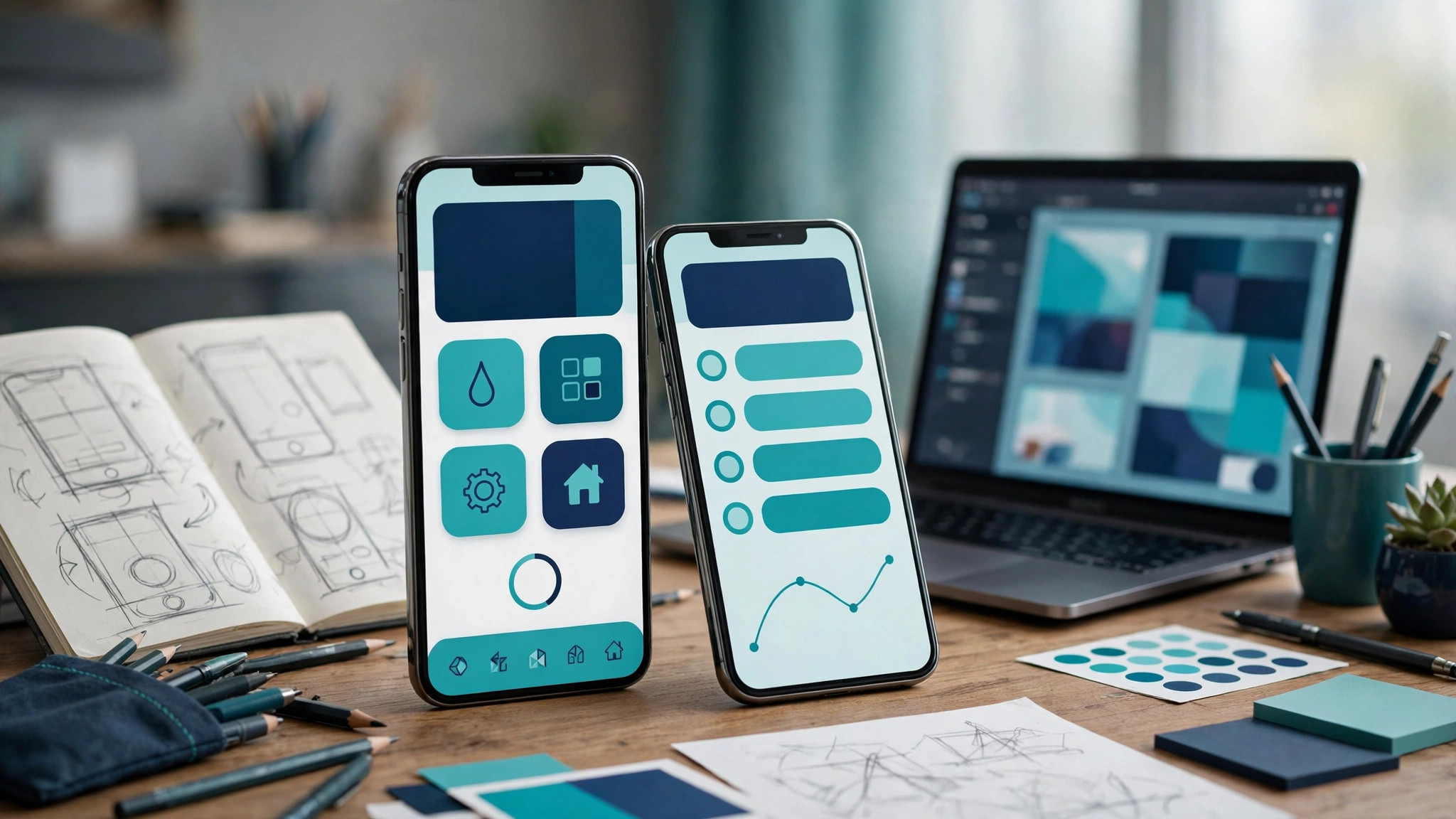

“Mobile App Development for Gyms: The 2026 Guide”
Mobile App Development for Gyms: The 2026 Guide
Mobile app development for gyms is the process of designing and engineering a custom digital application that allows fitness studio members to book workout classes, manage monthly memberships, process payments, and track their fitness routines directly from their smartphones. Having a branded mobile application gives independent fitness businesses a direct communication channel with their community, eliminating reliance on third-party aggregators while providing a seamless, professional experience for members who expect to handle everything on their mobile devices.
How Can I Develop My Own Fitness App?
Gym owners and fitness entrepreneurs frequently ask: How can I develop my own fitness app? Building a custom fitness app begins with defining your core feature set, selecting an experienced development partner, building a focused initial version, and testing the software thoroughly with real users before launching it to your broader membership base.
Developing your own branded application involves several key phases:
Scope Definition: Outlining essential features like class scheduling, member profiles, payment processing, and push notifications.
UI/UX Design: Creating intuitive, clean mobile interfaces tailored to fitness enthusiasts on both iOS and Android platforms.
Software Engineering: Writing secure code that connects your mobile front-end to robust databases, payment gateways, and member management systems.
Deployment & Iteration: Publishing your app to the Apple App Store and Google Play Store while gathering user feedback for continuous improvement.
To explore how tailored digital tools are built from scratch, you can review our core offerings on Mobile App Development Services.
Core Features of a Modern Gym App
To drive consistent engagement and retain members, a successful fitness application must deliver practical functionality that simplifies daily interactions between your members and your front desk.
Class Booking and Scheduling
Members want to secure their favorite spin bike or yoga mat with a couple of taps on their phone screen. An intuitive booking engine integrated directly into your mobile app displays real-time class availability, manages waiting lists automatically, and sends calendar reminders before sessions begin, reducing empty spots in crowded classes.
Memberships and Secure Payments
Frictionless billing keeps recurring revenue flowing smoothly. Mobile applications allow members to upgrade their packages, buy personal training session bundles, update expired credit cards, and view billing histories without logging onto desktop computers or stopping by the front desk.
Push-Notification Retention
Keeping members motivated is vital for long-term retention. Strategic push notifications deliver tailored workout reminders, class announcements, milestone celebrations, and special promotions right to the member's lock screen, keeping your gym top-of-mind.
Trainer and Workout Features
Providing value beyond physical facility access enhances your app's stickiness. Incorporating digital workout logs, custom training plans created by your coaches, and direct messaging between members and trainers builds a stronger sense of community.
Custom Build vs. White-Label Platforms
When deciding to launch a mobile application for your gym or fitness studio, you will face a major architectural choice: should you build a custom mobile app from scratch, or subscribe to a generic white-label fitness platform?
The Limitations of White-Label Apps
White-label software offers pre-built templates that can be deployed quickly, but they come with significant drawbacks. Your gym shares the exact same user interface, features, and brand styling as hundreds of other fitness studios using the same provider. Customizing unique workflows, integrating specialized hardware, or scaling specific business logic is often restricted by the platform's rigid architecture.
The Power of Custom App Development
Building a custom mobile application gives you total ownership over the user experience, feature roadmap, and data security. You control every pixel of the interface, ensuring the app reflects your distinct brand identity. For small businesses looking to understand the underlying economics and planning phases of custom software, you can read our guide on the MVP App Development Guide.
Strategic Steps for a Successful App Launch
Launching a new digital product requires careful coordination to ensure your members actually download and adopt the platform.
Start with an MVP Approach
Trying to build every possible feature — from biometric tracking to social networking — in version one can delay your launch and inflate development costs. Focusing initially on core features like class booking, membership management, and push notifications gets your app into members' hands faster. For a detailed breakdown of financial considerations surrounding custom mobile projects, review our analysis on AI Mobile App Development Cost 2026.
Onboarding Your Members
Even the best-designed app will fail if members do not download it. Train your front-desk staff to encourage sign-ups, place QR codes around the gym floor linking directly to the app stores, and offer small incentives — such as a branded water bottle or smoothie discount — for members who download and log into the new app during launch week. For a comprehensive operational roadmap, explore our Mobile App Launch Checklist 2026.
Essential Integrations: Payments, CRM, and Class Scheduling
A gym app lives or dies by its integrations. The features members see — booking, billing, notifications — only work if the app talks cleanly to the systems your studio already runs on.
Class scheduling software. Whether you use a dedicated fitness platform or a general booking tool, the app must read real-time class capacity and write bookings back instantly. Double-booking a packed spin class because the app and the front-desk system disagree is the fastest way to lose member trust.
Payment processing. Memberships, class packs, and personal-training bundles all need secure, reliable payment flows with support for recurring billing, failed-payment retries, and easy card updates. Members should be able to fix an expired card in the app in under a minute — every failed renewal that requires a front-desk visit is churn risk.
CRM and member data. Check-ins, attendance history, and purchase records should flow into your member database automatically so your team can see who is engaged, who is fading, and who deserves a win-back nudge. The app is the collection point; your CRM is where that data becomes action.
Push notification service. Reliable, segmented push delivery is not optional — it is the retention engine. Make sure your setup supports targeting by membership tier, class attendance, or inactivity window, and always get explicit opt-in during onboarding.
Common Mistakes to Avoid When Building a Gym App
Building everything in version one. The classic failure mode: a feature list that includes social feeds, nutrition tracking, wearable sync, and a marketplace — before anyone has booked a single class. Launch with booking, memberships, payments, and notifications. Everything else is a version-two conversation.
Ignoring the front desk. Your staff will field every app question from confused members. If they were not trained on the app before launch, they cannot help — and members will conclude the app is broken. Train the team first, launch second.
Treating launch as the finish line. Apps need ongoing care: OS updates, bug fixes, and small improvements driven by real member feedback. Budget for maintenance from day one — typically as an ongoing support arrangement quoted after launch — so version one does not quietly rot.
Copying a competitor's app feature-for-feature. Your competitor's app was built for their business model, their classes, and their members. Steal the standard patterns (easy booking, simple billing), but design the details around how your studio actually operates.
Forgetting offline reality. Gyms have dead zones — basements, thick concrete walls, crowded lobbies at peak hours. Core features like showing today's booked classes should degrade gracefully when the connection drops, not spin forever.
Real Pricing Breakdown
Transparency matters when planning software investments for your small business. We maintain clear, upfront pricing across our core services with no hidden retainers:
AI Website Chatbot: $499 one-time
AI Voice Agent Setup: $1,200 one-time
AI Automation Audit: $149
Lead Qualification: $699
Appointment Booking: $799
CRM Setup: $999
Ongoing AI Automation Support: $299–$999/month
Business Website / Redesign: From $1,200 (fixed quote after free consultation)
Custom AI Web App: From $2,500 (fixed quote after free consultation)
Mobile App Development: From $3,500 (fixed quote after free consultation)
Frequently Asked Questions
How long does it take to develop a custom mobile app for a gym?
The timeline for mobile app development depends on the complexity of your requested features, design requirements, and system integrations. A focused initial version (MVP) typically takes anywhere from several weeks to a few months from initial scoping to app store deployment. During a free consultation, we provide a clear, realistic timeline tailored to your project scope.
Will our app be available on both iOS and Android?
Yes. Professional mobile app development ensures your application is built for both Apple iOS (iPhone) and Google Android devices, allowing you to reach 100 percent of your membership base regardless of the smartphone they carry.
Can the app integrate with our existing gym management software?
Integration capabilities depend on the specific management platform or booking software your gym currently uses. During our discovery phase, our engineering team evaluates your tech stack to determine the best approach for syncing member data, class schedules, and billing records.
How do members download and access the app?
Once your custom application is approved and published, it will be listed under your gym's official name in both the Apple App Store and Google Play Store. Members can search for your app, download it for free, and log in securely using their existing member credentials.
Contact us
Ready to bring your fitness studio's custom mobile application to life? Reach out to discuss your project requirements, or visit our page to Contact us to schedule your free consultation today.
Santol Edge Team
AuthorWrites extensively about generative AI, autonomous agent design, enterprise automation architectures, and customer experience engineering at Santol Edge.
Read Next

How AI Automation Helps Modern Businesses Scale 10x Faster
Discover how forward-thinking companies are deploying intelligent agents and automated pipelines to reduce overhead and boost revenue.

How AI Chatbots Transform Customer Support and Business Growth
Learn how AI chatbots improve customer response times, qualify leads, support teams, and create more consistent customer experiences.

AI Voice Agents: What They Are and How They Work
Understand where voice agents add value, how they connect with business systems, and what to consider before launching one.
Community Comments (0)
Oct 17, 2026Elisa Gabriella
VP of Operations · BrightSync
“A genuinely useful piece — the point about consolidating thin pages matches what we saw on our own platform last year. Deploying automated workflows cut roughly half our manual ticket volume and resolution speed went up significantly.”
Leave a Reply
Your email address will not be published. Required fields are marked *