
Santol Edge Team
AI Research & Engineering at Santol Edge
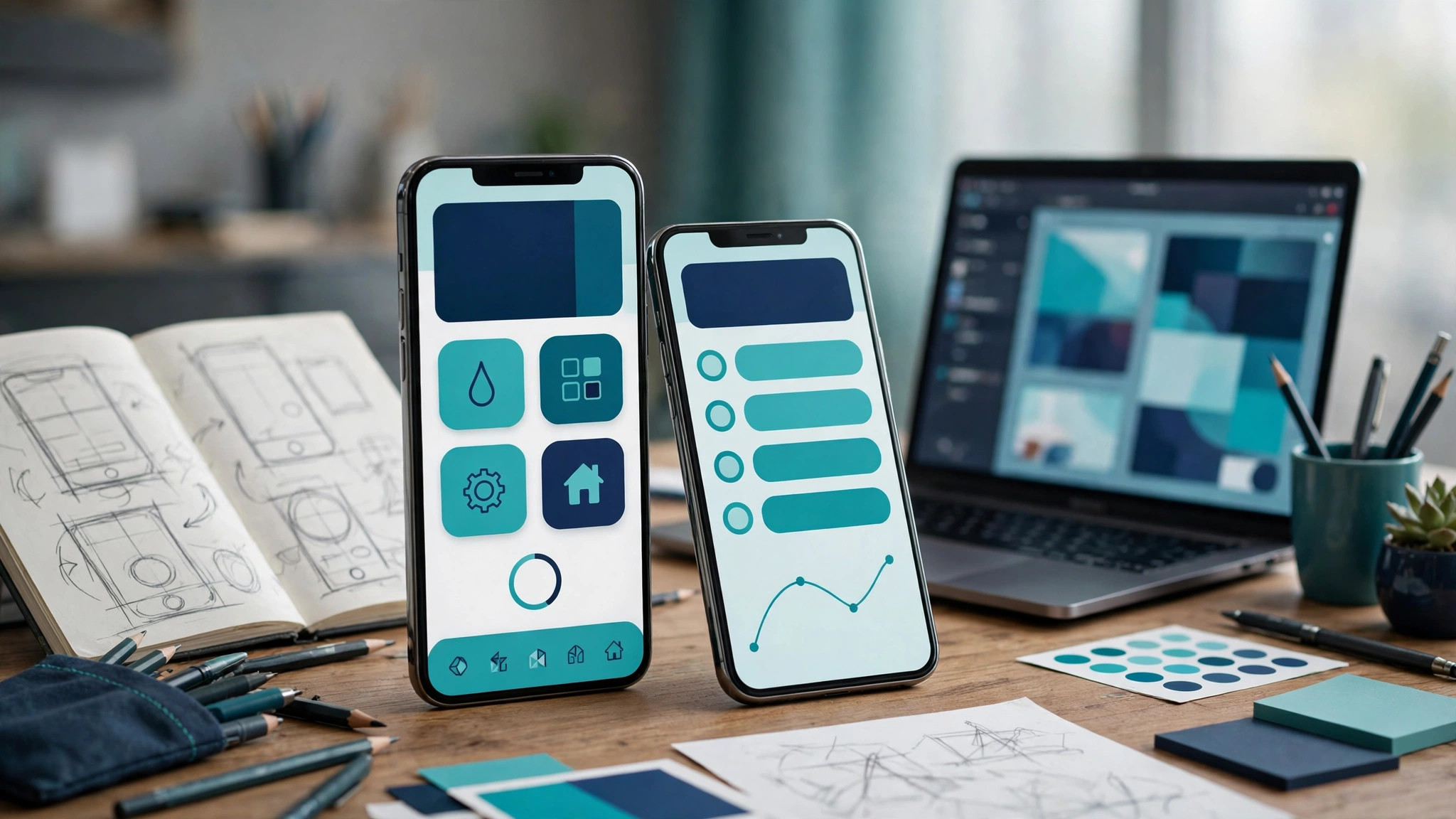

“Ecommerce Mobile App Development: When Your Online Store Needs a Dedicated App”
Ecommerce Mobile App Development: When Your Online Store Needs a Dedicated App
For online store owners, deciding whether to invest in a dedicated shopping application is one of the most consequential budget choices in digital retail. While nearly every modern ecommerce business operates a responsive mobile website, mobile traffic rarely translates to equal revenue due to friction in checkout flows and browser abandonment. Ecommerce mobile app development pays off when a brand achieves strong customer retention and high repeat purchase rates, transforming casual mobile shoppers into loyal, engaged brand advocates through personalized experiences, push notifications, and frictionless one-tap purchasing.
When an Ecommerce App Pays Off vs. Mobile Web
Building a native application is not a mandatory starting step for every nascent online store. If your customer base primarily buys once and rarely returns — such as high-ticket luxury items with multi-year replacement cycles — a well-optimized mobile website is more than sufficient. However, an app becomes a powerful revenue engine under specific conditions:
For a foundational understanding of store infrastructure before undertaking app development, review our comprehensive ecommerce website development guide.
App vs. Mobile Web vs. PWA Comparison
When evaluating mobile growth strategies, store owners generally choose between three distinct technical architectures:
To weigh the technical trade-offs between progressive web applications and native solutions, read our detailed analysis on PWA vs native apps. The right choice always depends on your budget and retention goals.
Must-Have Features for Modern Shopping Apps
To justify occupying precious storage space on a customer's smartphone, an ecommerce app must offer superior utility compared to standard mobile browsing.
Build Paths and Technology Choices
Store owners have multiple paths when executing an app project, depending on budget and technical requirements:
For those evaluating custom engineering pathways, our specialized mobile app development services provide end-to-end architecture, while our guide on mobile app development cost helps clarify budget planning.
Realistic Timelines and Store Backend Integration
Developing a robust shopping app requires careful coordination between frontend user experience and backend data infrastructure.
Honest Limitations of Mobile Apps
An ecommerce app is not a silver bullet for flagging sales. If your brand suffers from poor product-market fit, uncompetitive pricing, high shipping costs, or weak organic traffic, building an app will not solve those underlying business challenges. Furthermore, convincing users to download an app requires existing brand trust; users rarely download apps from unknown merchants. Apps must be marketed as an exclusive perk for your most loyal existing customers.
Marketing Your App to Existing Customers
The hardest part of an ecommerce app is not building it — it is getting it onto customer phones. App store discovery will not do the work for you. The installs come from your existing audience.
An app marketed only in the app stores is a billboard in the desert. An app marketed to ten thousand past customers is a retention machine.
Frequently Asked Questions
Do I need a mobile app, or is a responsive mobile website enough?
If you are just starting out or have low repeat purchase rates, a responsive mobile website is entirely sufficient. You should consider investing in an app only when you have a proven customer base with high repeat purchase rates and strong brand loyalty.
How much does ecommerce mobile app development cost?
Pricing varies based on whether you choose a template wrapper, a cross-platform build, or a fully custom native solution. Professional projects begin with our Mobile App Development from $3,500 tier for foundational builds, scaling upward based on custom backend integrations.
How long does it take to build and launch an ecommerce app?
Simple template-based app wrappers can be deployed in a couple of weeks. Custom cross-platform or native applications typically require between two to four months from initial wireframing to successful app store publication.
Should I build for both iOS and Android, or start with one?
For most businesses, building simultaneously for both platforms using cross-platform frameworks is ideal to avoid alienating half your customer base. However, if your analytics show an overwhelming dominance of a single platform among your users, launching there first is a valid strategy.
How do push notifications actually work in practice?
Push notifications are triggered through backend marketing automation tools or server alerts. When a specific event occurs — such as a price drop on a favorited item or a shipment update — a message is dispatched via Apple and Google push services directly to the user's device.
What should I expect during the app store approval process?
Both Apple and Google review submitted apps to ensure they comply with strict privacy policies, secure payment guidelines, and functional quality standards. Working with experienced developers ensures your app meets these guidelines and avoids unnecessary rejection delays.
Elevate Your Mobile Retail Experience
Transitioning your best customers from a mobile browser into a dedicated, high-performance shopping application creates a powerful, recurring revenue channel. By offering frictionless one-tap checkout, instant push notification engagement, and seamless backend integration, you deepen customer lifetime value and insulate your brand from rising ad costs. Contact us
Santol Edge Team
AuthorWrites extensively about generative AI, autonomous agent design, enterprise automation architectures, and customer experience engineering at Santol Edge.
Read Next

How AI Automation Helps Modern Businesses Scale 10x Faster
Discover how forward-thinking companies are deploying intelligent agents and automated pipelines to reduce overhead and boost revenue.

How AI Chatbots Transform Customer Support and Business Growth
Learn how AI chatbots improve customer response times, qualify leads, support teams, and create more consistent customer experiences.

AI Voice Agents: What They Are and How They Work
Understand where voice agents add value, how they connect with business systems, and what to consider before launching one.
Community Comments (0)
Oct 20, 2026Elisa Gabriella
VP of Operations · BrightSync
“A genuinely useful piece — the point about consolidating thin pages matches what we saw on our own platform last year. Deploying automated workflows cut roughly half our manual ticket volume and resolution speed went up significantly.”
Leave a Reply
Your email address will not be published. Required fields are marked *