
Santol Edge Team
AI Research & Engineering at Santol Edge
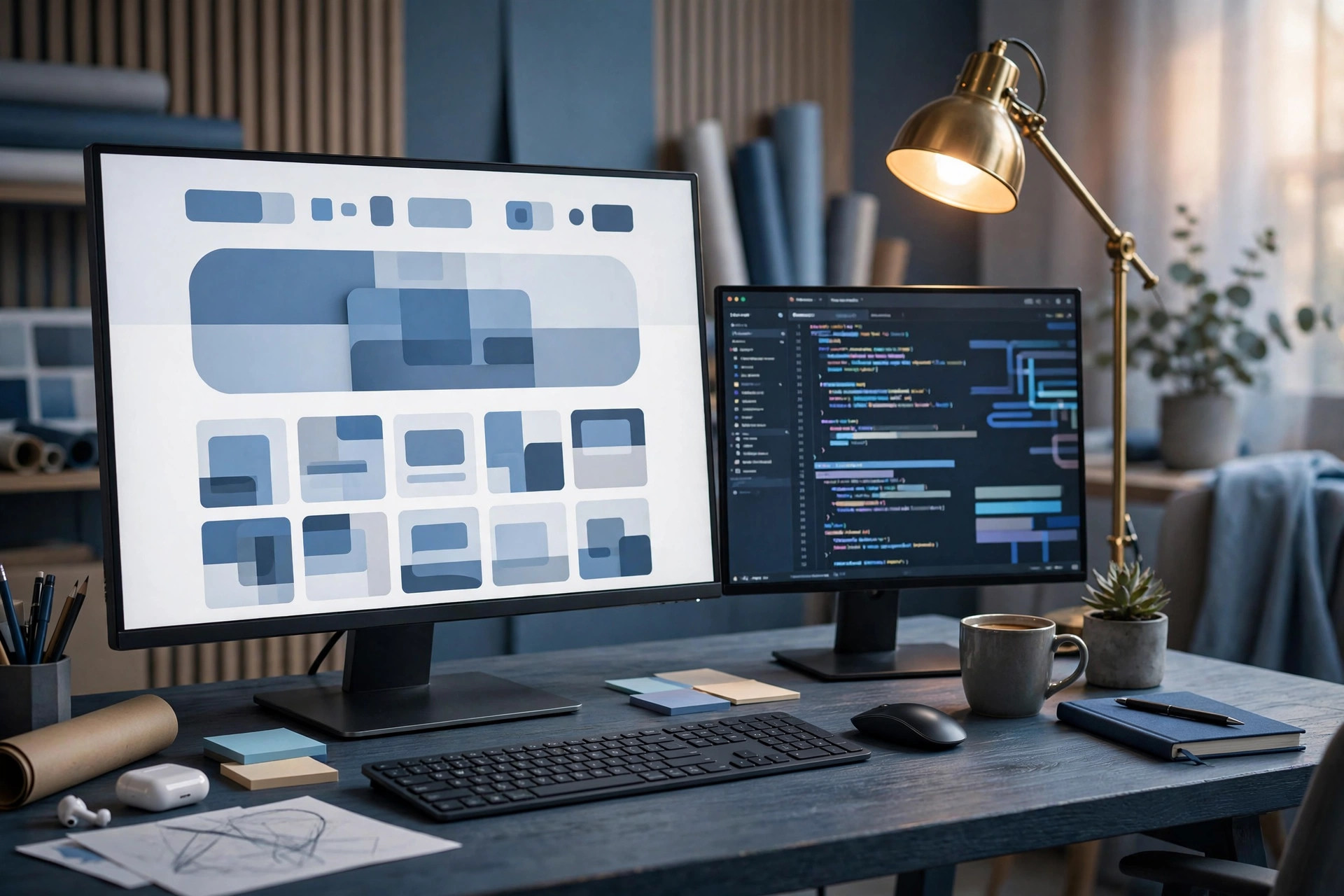

“Website Design for Wedding Planners: Turn Browsing Couples Into Booked Consultations”
Website Design for Wedding Planners: Turn Browsing Couples Into Booked Consultations
Website design for wedding planners is the ultimate digital storefront for turning browsing couples into booked consultations, blending high-end portfolio galleries with streamlined date-checking and inquiry systems. When engaged couples plan the most significant celebration of their lives, they do not just look for a coordinator; they look for a trusted partner who embodies elegance, organization, and impeccable taste. Your website is often the very first interaction potential clients have with your brand, and it must instantly communicate your aesthetic vision, working style, and logistical reliability within seconds of landing on your homepage. In a crowded marketplace filled with DIY templates and generic design platforms, having a professional, intentional web presence is what separates fully booked planning studios from those struggling to fill their pipeline. This comprehensive guide explores why traditional brochure sites fail, how to design high-converting portfolio galleries, the architectural trade-offs between template builders and custom development, and how to integrate lead capture strategies that secure dream weddings before your competitors even reply.
Why Standard Brochure Websites Fail Wedding Professionals
Many wedding planners launch their businesses with a basic, multi-page brochure website that simply lists their packages, displays a handful of styled shoot images, and provides a generic contact form. While this approach might check the box of having an online presence, it fundamentally misunderstands modern couple behavior and the psychology of high-ticket service buying. Couples planning a wedding are overwhelmed by visual stimuli on social media platforms, yet they experience high anxiety about budget transparency, vendor reliability, and communication responsiveness. A static brochure site acts as a dead end; it gives visitors no interactive way to check your availability, understand your pricing structure, or visualize what working together actually entails.
When your website lacks strategic conversion pathways, visitors browse your lovely portfolio and then click away to check your competitors, often forgetting which studio had that stunning gallery they admired. Effective website design for wedding planners replaces passive viewing with active engagement. Instead of forcing couples to guess whether you have their date open or what your investment tiers look like, a high-performing site guides them effortlessly from emotional inspiration to logical validation and, finally, to direct action. By incorporating intelligent inquiry forms that filter out mismatched budgets while capturing essential event details, your website works for you around the clock, pre-qualifying leads and positioning your studio as an elite, organized professional service.
Crafting High-Converting Portfolio Galleries
Your portfolio is the emotional anchor of your entire digital presence, but how you display your past weddings dictates whether those images drive inquiries or merely serve as digital wallpaper. Many planners make the mistake of dumping hundreds of high-resolution images into an unstructured grid, forcing potential clients to scroll endlessly without context or emotional connection. To maximize conversion, your gallery layout should be curated, categorized, and intentionally integrated with storytelling elements that highlight your specific planning expertise and design philosophy.
Organizing Galleries by Aesthetic and Scale
Couples rarely want a general mix of every wedding you have ever produced; they look for proof that you can execute their specific vision, whether that is a minimalist modern loft celebration, a sprawling destination estate weekend, or an intimate bohemian backyard dinner. Organize your portfolio sections by aesthetic style, geographic region, or venue type so that visitors can instantly find work that mirrors their personal taste. Each featured wedding should include a brief narrative detailing the couple's vision, the logistical challenges overcome by your team, and stunning photography capturing both macro design details and micro candid moments of joy.
Balancing Visual Beauty with Technical Performance
High-end wedding photography involves massive file sizes that can severely cripple website loading speeds if left unoptimized. Slow-loading pages cause frustrated couples to abandon your site before your primary hero image even renders, destroying your search visibility and immediate trust. Modern website design for wedding planners requires advanced image compression, next-gen formats like WebP, and lazy-loading techniques that ensure buttery-smooth scrolling across desktop computers, tablets, and mobile phones. When your portfolio loads instantly and displays your work with crisp, breathtaking clarity, you establish immediate technical competence and aesthetic authority.
The Conversion Path: From Inspiration to Consultation
A gorgeous portfolio captures attention, but a frictionless conversion path secures the consultation call. The journey from a couple landing on your homepage to submitting an inquiry form must be completely optimized to reduce friction and eliminate guesswork. If you want to dive deeper into financial planning for your digital investments, you can review our guide on business website cost guide to understand how web budgets align with business growth goals.
Designing Smart Inquiry and Date-Checking Forms
Traditional contact pages featuring a simple name, email, and message box invite vague inquiries like "Are you free on June 12th?" which require endless back-and-forth emails just to determine basic compatibility. A conversion-focused website design for wedding planners incorporates multi-step inquiry forms that gently collect vital information without overwhelming the user. Ask for the wedding date, target venue or region, estimated guest count, overall design budget, and how they heard about your studio.
By structuring your inquiry form this way, you achieve two major goals: you immediately screen out inquiries that fall far outside your minimum investment threshold, and you gather the exact context needed to craft a personalized, compelling response. Furthermore, integrating conditional logic into your forms allows you to display custom messaging—such as immediate referral links or alternative date suggestions—if your calendar happens to be booked for their specific weekend.
Integrating Automated Scheduling and Follow-Up Workflows
Once a qualified couple submits their details, the speed and professionalism of your follow-up can make or break the booking. Modern wedding websites can integrate directly with scheduling tools that invite qualified leads to select a time for an introductory video call immediately after form submission. This eliminates days of email scheduling ping-pong and capitalizes on their peak emotional excitement. For specialized automation needs beyond standard forms, businesses often look into custom software solutions, and our breakdown on AI chatbot for wedding planners explores how conversational interfaces handle initial client questions seamlessly.
AI-Builders vs. Custom-Built Platforms: Speed vs. Distinctive Branding
When planning a new web presence, wedding planners frequently face a critical fork in the road: should they build their site quickly using an off-the-shelf AI website builder, or invest in a custom-built platform tailored specifically to their luxury brand? Understanding the trade-offs between these two approaches is essential for protecting your brand reputation and long-term marketing ROI.
The Allure and Limitations of AI-Generated Site Builders
AI website builders promise rapid deployment, allowing users to type in a business description and instantly generate a fully functional website complete with stock imagery and placeholder text in under ten minutes. For a startup planner operating on a shoestring budget, this speed and low barrier to entry can feel miraculous. However, these platforms rely on generic design templates used by thousands of other businesses worldwide. Your luxury wedding planning brand ends up looking indistinguishable from a local bakery or a generic consulting firm.
Moreover, AI builders often generate bloated underlying code that hurts your search engine optimization performance, lacks deep CRM integration capabilities, and restricts your ability to customize unique portfolio layouts or interactive client portals. While these tools offer a quick starting point, they rarely convey the bespoke, high-end sophistication required to command luxury planning fees.
The Power of Custom-Designed Web Architecture
Investing in a bespoke web presence means every pixel, animation, and user flow is intentionally engineered to elevate your specific brand identity. Custom development allows you to implement sophisticated typography, fluid gallery transitions, and custom calculator widgets or interactive investment guides that engage couples on a deeper level. When couples invest tens of thousands of dollars in a wedding planner, they expect a digital experience that mirrors that level of exclusivity and care.
For professional studios looking to upgrade their existing digital footprint, understanding whether to overhaul or start fresh is vital; our insights on website redesign vs rebuild provide a clear framework for evaluating your current platform's structural health. Whether you choose a streamlined Business Website/Redesign from $1,200 or an advanced Custom AI Web App from $2,500, a professional build ensures your digital foundation scales gracefully as your business grows. Projects requiring unique functionality receive a fixed quote after a free consultation.
Search Engine Optimization for Wedding Studios
Even the most breathtaking website design will fail to generate consistent client inquiries if prospective couples cannot find it on search engines. Search engine optimization for wedding planners requires a strategic blend of local SEO, stunning visual optimization, and targeted content marketing that answers the exact questions engaged couples type into search bars during their planning journey.
Targeting Local Intent and Regional Keywords
Couples typically search for planners tied to specific geographical regions or popular destination wedding hubs, using phrases like "luxury wedding coordinator in Charleston" or "boutique destination wedding planner in Tuscany." Your website architecture must feature dedicated landing pages for each primary market or region you serve, populated with localized schema markup, venue spotlights, and examples from past regional events. This hyper-local targeting signals to search engines that your studio is a verified authority in those specific geographic markets, driving highly qualified organic traffic directly to your portfolio.
Building Topical Authority Through Educational Content
Beyond your core service pages, maintaining an active journal or resource blog allows you to capture top-of-funnel traffic by addressing common pain points couples face. Write in-depth guides on how to allocate a realistic wedding budget, what questions to ask venue tours, or how to design a weather contingency plan for outdoor ceremonies. By providing genuine, transparent expertise, you build early trust long before the couple is ready to inquire, positioning your studio as an indispensable educational resource and creative guide.
Frequently Asked Questions
How long does a professional wedding planning website take to build?
The timeline varies depending on the complexity of your project, custom features, and whether your brand assets and copywriting are ready before development begins. Standard professional builds generally take anywhere from four to eight weeks from the initial strategy session to final launch, ensuring thorough mobile responsiveness testing and image optimization.
Do I need professional copywriting or can I write my own website text?
While writing your own text is completely possible, professional copywriting significantly enhances your conversion rates by addressing the emotional pain points and desires of modern couples. Effective copy speaks directly to the luxury client, establishes your unique value proposition, and guides readers seamlessly toward your inquiry form.
How can I ensure my large wedding gallery images do not slow down my site?
Performance is maintained through rigorous image compression, modern next-generation image formats like WebP, and lazy-loading scripts that only load images as the user scrolls down the page. Professional web developers also implement content delivery networks to serve your portfolio imagery rapidly from servers closest to your site visitors.
What is the difference between a standard business website and a custom AI web app?
A standard business website focuses on presenting your portfolio, services, and brand story with high-end design and structured inquiry forms. A custom AI web app incorporates advanced interactive features, such as automated budget calculators, intelligent client matching quizzes, or conversational chat agents built specifically for your workflow.
How do I get started with upgrading my current wedding planning website?
The journey begins by assessing your current digital strengths and weaknesses through an open discussion about your business goals, target client demographic, and desired booking capacity. You can explore your options by requesting a Business Website/Redesign from $1,200 or a Custom AI Web App from $2,500, with any specialized project requirements receiving a fixed quote after a free consultation.
Transforming your online presence from a simple online portfolio into an active client acquisition engine requires deliberate strategy, flawless technical performance, and an unwavering commitment to user experience. By aligning your visual aesthetic with intuitive conversion pathways and smart inquiry forms, you create a digital ecosystem that consistently attracts discerning couples and fills your calendar with dream celebrations. If you are ready to elevate your studio's digital footprint and turn casual browsers into loyal, booked clients, Contact us
Santol Edge Team
AuthorWrites extensively about generative AI, autonomous agent design, enterprise automation architectures, and customer experience engineering at Santol Edge.
Read Next

How AI Automation Helps Modern Businesses Scale 10x Faster
Discover how forward-thinking companies are deploying intelligent agents and automated pipelines to reduce overhead and boost revenue.
How AI Chatbots Transform Customer Support and Business Growth
Learn how AI chatbots improve customer response times, qualify leads, support teams, and create more consistent customer experiences.

AI Voice Agents: What They Are and How They Work
Understand where voice agents add value, how they connect with business systems, and what to consider before launching one.
Community Comments (0)
Oct 24, 2026Elisa Gabriella
VP of Operations · BrightSync
“A genuinely useful piece — the point about consolidating thin pages matches what we saw on our own platform last year. Deploying automated workflows cut roughly half our manual ticket volume and resolution speed went up significantly.”
Leave a Reply
Your email address will not be published. Required fields are marked *