
Santol Edge Team
AI Research & Engineering at Santol Edge
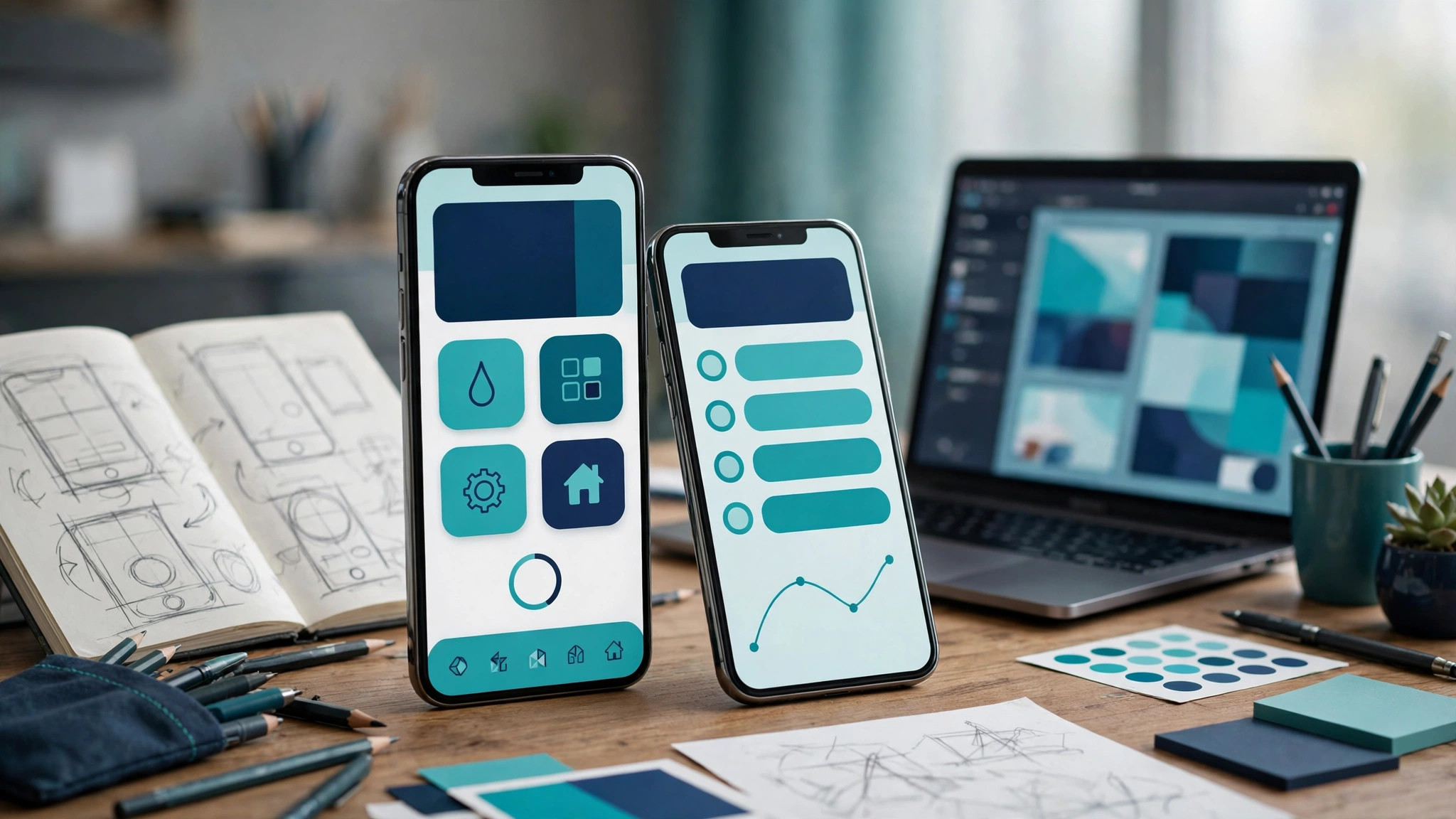

“Mobile App for Restaurants: An Honest Decision Guide (2026)”
Mobile App for Restaurants: An Honest Decision Guide (When It Pays Off and When It Doesn't)
Deciding whether to build a mobile app for restaurants can feel overwhelming, especially when third-party delivery apps eat into your profit margins and tech vendors promise overnight success. The reality is that a dedicated app is a powerful business tool, but it is not a magic wand that fixes broken food, poor service, or weak local marketing. For some restaurant owners, a custom or white-label restaurant app generates loyal, high-margin repeat business that bypasses high commission fees. For others, it becomes an expensive digital paperweight that drains monthly budgets without bringing in orders.
This honest decision guide cuts through the tech industry hype to help you evaluate whether your restaurant is truly ready for a dedicated app, how much it will cost, which features actually drive revenue, and how to avoid the most common pitfalls restaurant owners face when launching digital ordering tools.
1. The Honest Decision Framework: Does Your Restaurant Need an App?
Before spending thousands of dollars on custom software, you need to look coldly at your business model, customer habits, and operational capacity. A dedicated restaurant app is not universally beneficial; it thrives in specific operational environments and fails in others.
When a Mobile App Pays Off
A dedicated app makes financial and operational sense if your business checks several of the following boxes:
High Repeat Order Frequency: Customers order from you multiple times a month (such as pizzerias, local coffee shops, sandwich counters, sushi bars, or quick-service concepts).
Strong Delivery or Pickup Volume: You already process a steady stream of takeout or delivery orders where eliminating third-party commission fees protects your bottom line.
Multi-Location Operations: You run two or more locations, or a growing franchise, where customers expect a unified, brand-owned digital ordering experience across neighborhoods.
Proven Loyalty Potential: You have an existing, loyal customer base that loves your food and wants an easier, faster way to earn rewards and reorder their favorite meals.
When an App Is a Waste of Money
Building a dedicated restaurant app will likely drain your resources and fail to deliver a return on investment if you fit these categories:
Brand-New Concepts: If your doors just opened, your primary focus should be nailing food consistency, local foot traffic, and basic operations. Customers will not download an app for a restaurant they have not yet tried.
Low Repeat Business: Fine-dining establishments, destination restaurants, or concept spots where customers visit once or twice a year do not benefit from a home-screen app icon.
Extremely Tight Margins with No Promotional Budget: Software requires marketing. If you cannot afford to promote the app to your existing diners through bag stuffers, receipts, and staff mentions, nobody will find it.
Unwillingness to Manage Tech: Running a digital ordering channel means managing menu updates, price adjustments, integration with your Point of Sale (POS) system, and occasional customer support issues.
2. Six Essential App Jobs That Drive Restaurant Revenue
If you decide to move forward, every feature built into your restaurant app should serve a distinct operational or financial goal. Avoid feature bloat; stick to the six core jobs that matter most to restaurant profitability.
Direct Ordering for Pickup and Delivery
The single most powerful justification for building a dedicated restaurant app is capturing direct orders. When regular customers order directly through your platform instead of a major third-party marketplace, you avoid paying high percentage commissions per order. This keeps profit margins where they belong: in your bank account.
Loyalty and Rewards Programs
Paper punch cards are easy to lose, but digital rewards live right in a customer's pocket. A built-in loyalty program encourages customers to choose your restaurant over competitors by offering free items, dollar-off discounts, or milestone rewards after a specific number of visits or dollars spent.
Push Rebooking and Order-Again Nudges
Unlike email marketing that sits unread in a crowded inbox, push notifications appear directly on a phone lock screen. A well-timed notification sent around lunchtime or Friday evening—such as a reminder of a customer's favorite Friday night pizza order—can instantly trigger an impulse purchase and fill empty tables or kitchen prep slots.
Reservations and Waitlist Management
For sit-down dining or high-demand weekend slots, integrating table reservations or virtual waitlist tracking directly into the app removes friction. Diners love knowing their table is ready before they leave the house, and hosts love having an organized digital queue.
Mobile Payments and Digital Wallets
Speed matters in the food service industry. Allowing customers to save credit card details, Apple Pay, or Google Pay within your restaurant app drastically shortens checkout times. Faster checkouts mean higher conversion rates and less time spent by front-of-house staff processing payments over the phone.
Built-In Referral Programs
Turn your happiest customers into your best marketers. By offering a small discount or bonus points when a user refers a friend who places an order, your app helps fuel organic customer acquisition without expensive digital ad campaigns.
3. Three Build Paths: Honest Cost and Control Trade-Offs
When you are ready to build, you generally choose between three distinct technical paths. Each comes with different trade-offs regarding cost, customization, and long-term ownership.
As a baseline industry anchor, professional Mobile App Development projects typically start around $3,500 for foundational templates and scale upward based on custom integrations, advanced UI design, and multi-location POS syncing.
+-----------------------------------+-----------------------------------+-----------------------------------+| Build Path | Estimated Cost Range | Best Suited For |+-----------------------------------+-----------------------------------+-----------------------------------+| White-Label Ordering Platform | Low setup, monthly SaaS fees | Independent restaurants wanting || | | quick launch with standard menus |+-----------------------------------+-----------------------------------+-----------------------------------+| Custom Cross-Platform Build | From $3,500 (fixed quote) | Growing multi-location brands, || | (depending on features) | unique loyalty/rewards needs |+-----------------------------------+-----------------------------------+-----------------------------------+| Progressive Web App (PWA) | Moderate upfront investment | Restaurants testing mobile demand || / Mobile-Optimized Web | | before building native apps |+-----------------------------------+-----------------------------------+-----------------------------------+
White-Label Restaurant Ordering Platforms
Companies provide pre-built app shells customized with your brand logo, colors, and menu.
Pros: Fast setup time, lower upfront cost, built-in maintenance, and reliable customer support from the platform provider.
Cons: Monthly software subscription fees, shared infrastructure, and limited ability to customize unique user workflows or deep software integrations.
Custom Cross-Platform Build
Developing a custom app using modern frameworks that deploy to both Apple App Store and Google Play Store.
Pros: Complete ownership of your data and customer relationships, zero third-party branding, tailor-made features, and seamless POS integration.
Cons: Higher initial capital investment, longer development timeline, and ongoing responsibility for updates and bug fixes.
Progressive Web App (PWA) / Mobile Web
A mobile-optimized website that acts and feels like an app when saved to a phone's home screen, requiring no app store download.
Pros: Highly cost-effective, works instantly across all devices, zero app store approval hurdles, and easy to update.
Cons: Lacks native push notification capabilities on certain devices, and users do not discover you browsing an official app store.
4. App Store Approval and Maintenance Realities
Getting your app coded is only half the battle. Many restaurant owners are surprised by the operational hurdles that occur after launch.
Apple and Google App Store Guidelines: Apple and Google enforce strict review guidelines. If your menu pricing changes, your app includes outdated links, or your account metadata does not match your business entity precisely, review teams may reject your update. Working with experienced developers ensures your app passes review smoothly.
Ongoing Operating System Updates: Apple and Google release major software updates annually. Your restaurant app will require periodic maintenance patches to ensure compatibility with new phone hardware, screen sizes, and security protocols.
Menu and Pricing Synchronization: Nothing frustrates a customer faster than ordering an item through an app only to arrive at the restaurant and discover the price has gone up or the dish has been 86'd. Your app must sync reliably with your kitchen display system or point-of-sale software.
5. A Four-Step Adoption Playbook
An app sitting quietly in an app store serves no purpose. To get customers to download and use your new restaurant app, you need a proactive, in-store adoption strategy.
Place QR Codes Everywhere: Print QR codes linking directly to your app download page on physical menus, table tents, takeout receipt printers, delivery bag stickers, and your front counter sign. Make scanning effortless while guests wait for food.
Train Staff to Invite Diners at the Right Moment: Teach your front-of-house staff to mention the app naturally during checkout. For example: "Did you know if you download our app today, your next drink is on us?" Staff enthusiasm drives downloads far better than passive posters.
Offer an Irresistible First-Order Incentive: Give users a concrete reason to complete their first mobile order. Offer a compelling discount, a free appetizer, or double loyalty points on their maiden app purchase. Once they experience how easy ordering is, they are likely to repeat the habit.
Lead with One Flagship Feature: Do not overwhelm users with a cluttered interface. Promote one clear value proposition—such as skipping the takeout line or earning free meals faster than anywhere else—as the primary reason to download.
6. Honest Mistakes and Limits (When a Website is Better)
To make a fully informed business decision, you must also acknowledge the common pitfalls and alternative solutions.
The Counterpoint: The Power of a Mobile-First Website
Many successful restaurants do not need an app at all. If your customers order infrequently or discover you via Google Maps while driving in your neighborhood, forcing them to download a 50-megabyte app from an app store creates too much friction. In these cases, a blazing-fast, mobile-optimized website with frictionless online ordering built right in will convert significantly more traffic than a dedicated app ever could.
Common Mistakes to Avoid
Ignoring Local SEO: Assuming an app replaces your Google Business Profile and local search presence.
Bad UI/UX Design: Using tiny fonts, confusing checkout flows, or slow-loading menus that frustrate hungry users.
Failing to Collect Customer Data: Not utilizing customer order histories to personalize future promotions and marketing campaigns.
Related Reading
- Learn how to generate revenue streams beyond food sales through How to Monetize a Mobile App.
- Discover proven tactics to keep users engaged over time in Mobile App User Retention Strategies.
- Understand long-term upkeep expenses with the Mobile App Maintenance Costs Guide.
- Track performance metrics effectively using Mobile App Analytics for Business Owners.
- Explore foundational web ordering setups in Web Design for Restaurants.
- See what a custom build involves and what it costs in Mobile App Development Services.
Frequently Asked Questions
Do I really need a custom app, or is a mobile website enough for my restaurant?
For most independent, single-location restaurants, a mobile-optimized website with seamless online ordering is more than enough and yields a higher return on investment. Dedicated apps are best reserved for multi-location brands or quick-service concepts with extremely high weekly repeat-order volume.
How much does it cost to build a restaurant app?
Prices vary based on complexity. White-label SaaS solutions typically charge low setup fees plus monthly subscriptions. Custom-built applications generally start around $3,500 and scale upward depending on advanced custom integrations, design requirements, and POS syncing capabilities.
How do I get customers to stop using third-party delivery apps and use my app instead?
You must incentivize the switch. Offer exclusive menu items, better loyalty rewards, or discounts on direct orders through your app, and include promotional inserts in every third-party takeout bag reminding customers that ordering directly supports your local staff.
Can a restaurant app integrate with my existing POS system?
Yes. Modern restaurant app solutions can integrate with popular point-of-sale systems so that online orders flow directly into your kitchen printer or display screen without manual re-entry by staff.
How long does it take to launch a restaurant ordering app?
Using pre-built white-label frameworks, a restaurant app can launch in a few weeks. A custom-built cross-platform application with tailored branding and complex POS integrations typically requires several weeks to a few months of design, development, and testing.
Santol Edge Team
AuthorWrites extensively about generative AI, autonomous agent design, enterprise automation architectures, and customer experience engineering at Santol Edge.
Read Next

How AI Automation Helps Modern Businesses Scale 10x Faster
Discover how forward-thinking companies are deploying intelligent agents and automated pipelines to reduce overhead and boost revenue.
How AI Chatbots Transform Customer Support and Business Growth
Learn how AI chatbots improve customer response times, qualify leads, support teams, and create more consistent customer experiences.

AI Voice Agents: What They Are and How They Work
Understand where voice agents add value, how they connect with business systems, and what to consider before launching one.
Community Comments (0)
Oct 19, 2026Elisa Gabriella
VP of Operations · BrightSync
“A genuinely useful piece — the point about consolidating thin pages matches what we saw on our own platform last year. Deploying automated workflows cut roughly half our manual ticket volume and resolution speed went up significantly.”
Leave a Reply
Your email address will not be published. Required fields are marked *