
Santol Edge Team
AI Research & Engineering at Santol Edge
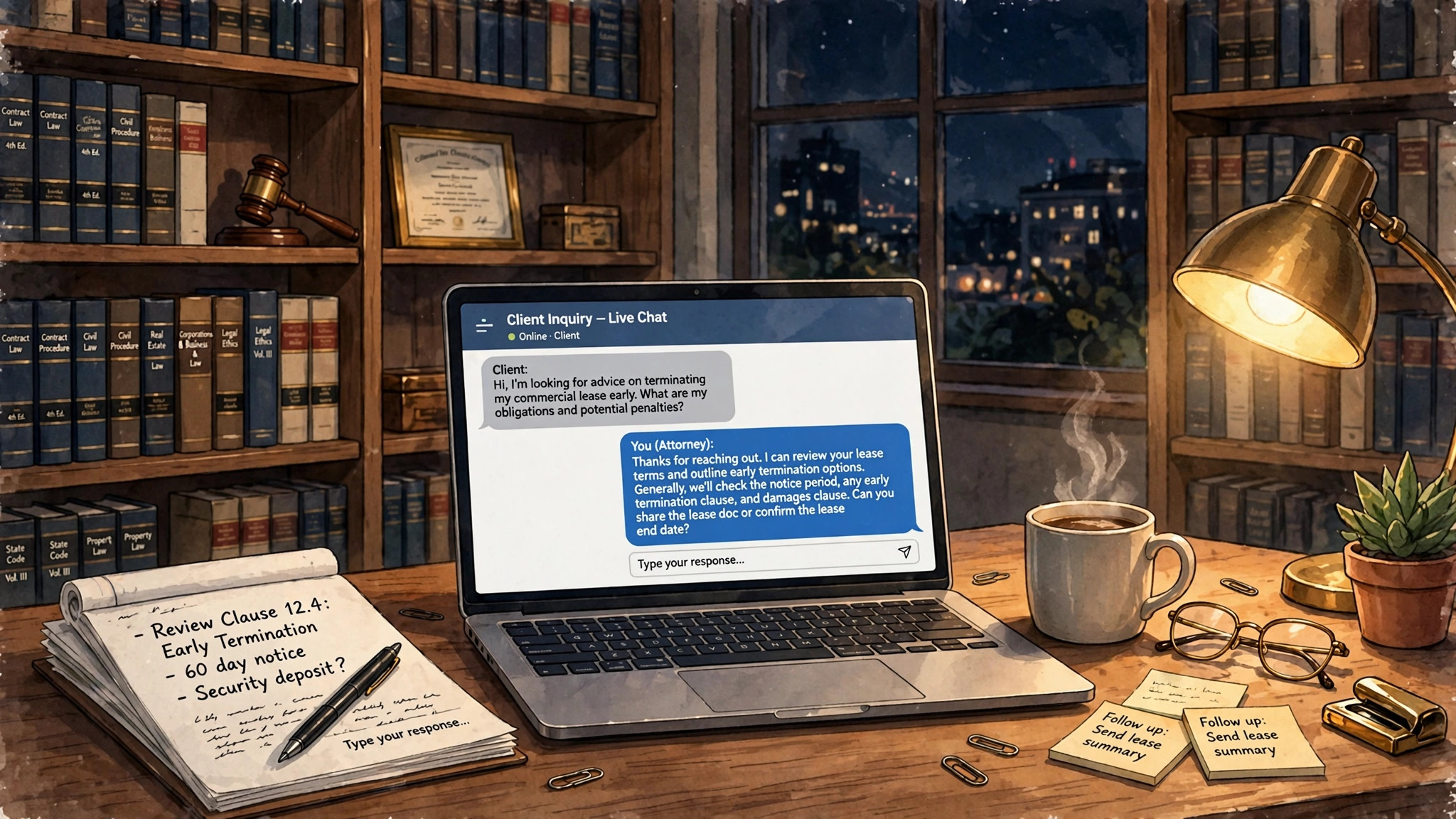

“AI Chatbots for Law Firms: Client Intake That Never Sleeps (2026)”
# AI Chatbots for Law Firms: Client Intake That Never Sleeps
The most expensive problem in legal marketing is not getting leads — it is the leaky funnel. A potential client with an urgent matter visits your site at 9 PM, finds no way to get answers, and calls the next firm on Google. By morning, the case is gone. Studies of legal intake consistently show that speed of first response decides who signs the client, and most firms are simply too slow after hours.
An AI chatbot for law firms exists to close that gap: instant engagement, structured intake qualification, and consultation booking — around the clock. This is the honest 2026 guide: what a legal intake chatbot should do, the lines it must never cross, and what it costs.
## The Intake Problem Chatbots Solve
Legal intake has a specific shape. Inquiries arrive at the worst times — evenings, weekends, right after an incident — when no one is at the desk. The questions are sensitive and urgent. And every inquiry needs the same structured information before a lawyer can decide if it is a case: practice area, jurisdiction, timeline, and whether a conflict exists.
A chatbot handles the front of this process. It engages the visitor within seconds, asks the qualifying questions in a calm, professional tone, captures the details, and books a consultation directly into the attorney's calendar. The lawyer arrives to a structured brief instead of a voicemail. Nothing about the legal judgment is automated — the bot does the gathering, humans do the deciding.
## What a Law Firm Chatbot Should Actually Do
Respond instantly, every time. The single highest-value behavior. A visitor who gets an immediate, professional response stays; one who gets a contact form and silence leaves. The bot should engage in seconds, day or night.
Qualify by practice area and urgency. The bot asks structured questions: what is the matter about, when did it happen, where are you located, how urgent is it. This routes personal injury inquiries to the PI team and business disputes to the commercial team — instead of dumping everything into one inbox.
Run the conflict-check intake. Before anyone gets excited about a new case, the bot collects the names of involved parties so the firm can run its standard conflict check. This is data collection, not legal analysis — but it must be handled with the same confidentiality as any client communication.
Book consultations into the calendar. The bot offers available consultation slots, confirms the booking, and sends reminders. No phone tag, no "we'll call you back" that never happens.
Follow up automatically. Not every qualified lead books immediately. Automated, professional follow-up sequences — email and SMS where consent exists — recover consultations that would otherwise go cold.
## The Lines a Legal Chatbot Must Never Cross
This is where honesty matters more than anywhere else in this guide.
Never give legal advice. The chatbot must not assess the merits of a case, estimate outcomes, or suggest legal strategies. Its job is intake and information — office hours, practice areas, consultation booking, general process explanations. Every answer near the advice line should include a clear statement that an attorney will review the matter.
Confidentiality is non-negotiable. Intake conversations contain sensitive personal information. The chatbot's data handling must meet the firm's professional obligations: encrypted transmission and storage, access controls, and clarity about where conversation data lives. Discuss data residency and retention with your vendor explicitly — this is not a detail to discover later.
Never pretend to be a lawyer. The bot should identify itself as the firm's automated assistant. Visitors are comfortable with that; they are not comfortable discovering they shared personal details with a machine that presented itself as a person.
Human review before any commitment. The bot gathers and books — it does not accept clients, quote fees, or make promises about representation. Every qualified intake gets attorney review before the firm takes any step.
## What It Should Cost
A law firm intake chatbot is a standard custom chatbot build with legal-specific intake flows. Our AI Website Chatbot package is $499 one-time (USD) — the chatbot trained on your firm's practice areas, FAQs, and intake questions, deployed on your website. Firms that need deeper intake logic — multi-practice routing, CRM integration with legal practice management tools, automated follow-up sequences, multilingual intake — get a fixed quote after a free consultation, agreed before work starts.
Watch for two traps: generic chatbot vendors who have never thought about confidentiality obligations, and "legal AI" products priced per lead that create incentives you do not want in your intake process.
## The Checklist Before You Hire Anyone
1. Map your intake questions: practice area, urgency, jurisdiction, parties involved, preferred contact method.
2. Define exactly what the bot may and may not say — in writing, reviewed by an attorney at your firm.
3. Confirm data handling: encryption, storage location, retention, and access controls.
4. Connect the bot to your calendar and your CRM or practice management system.
5. Test with realistic scenarios, including upset visitors and ambiguous situations.
6. Set up the human review step — every qualified intake reaches an attorney promptly.
7. Review conversation logs regularly; intake patterns change and the bot should keep up.
Speed wins clients in legal intake. A chatbot that engages in seconds, qualifies carefully, and hands a structured brief to your attorneys is one of the most direct revenue investments a firm can make — as long as it respects the lines above. [Contact us](/contact) for a free consultation on a legal intake chatbot built around your practice.
Santol Edge Team
AuthorWrites extensively about generative AI, autonomous agent design, enterprise automation architectures, and customer experience engineering at Santol Edge.
Read Next

How AI Automation Helps Modern Businesses Scale 10x Faster
Discover how forward-thinking companies are deploying intelligent agents and automated pipelines to reduce overhead and boost revenue.

How AI Chatbots Transform Customer Support and Business Growth
Learn how AI chatbots improve customer response times, qualify leads, support teams, and create more consistent customer experiences.

AI Voice Agents: What They Are and How They Work
Understand where voice agents add value, how they connect with business systems, and what to consider before launching one.
Community Comments (0)
Sep 28, 2026Elisa Gabriella
VP of Operations · BrightSync
“A genuinely useful piece — the point about consolidating thin pages matches what we saw on our own platform last year. Deploying automated workflows cut roughly half our manual ticket volume and resolution speed went up significantly.”
Leave a Reply
Your email address will not be published. Required fields are marked *